The weeks after surgery decide the result
A surgeon can repair a tendon or replace a joint, but they cannot make it move again. That part is yours, and it happens in the six to twelve weeks after the operation. Move too little and scar tissue tightens the joint, sometimes permanently. Move the wrong way and the repair fails. The point of post-surgical physical therapy is to get you through that window with a joint that bends, straightens and bears weight the way it should, on the schedule your surgeon set.
Procedures we rehab
We see patients after most orthopedic surgeries, and the ones we see most are total knee and total hip replacements, ACL and meniscus surgery, rotator cuff and labral repairs, shoulder replacements, ankle fracture repairs and Achilles repairs, and lumbar discectomy and fusion. Elin leads this program and works directly with the surgeons at the main Fort Collins orthopedic groups, so the protocol we follow is the one your surgeon expects.
How we work with your surgeon
You bring your protocol, or we request it. It sets what is allowed at each stage, and we do not go beyond it. At each milestone, usually two, six and twelve weeks, we send your surgeon a short note with your range of motion, strength and function, so when you go back for your check they already know where you are. If something is not progressing the way it should, we contact them before your next appointment rather than waiting for it.
What the first weeks look like
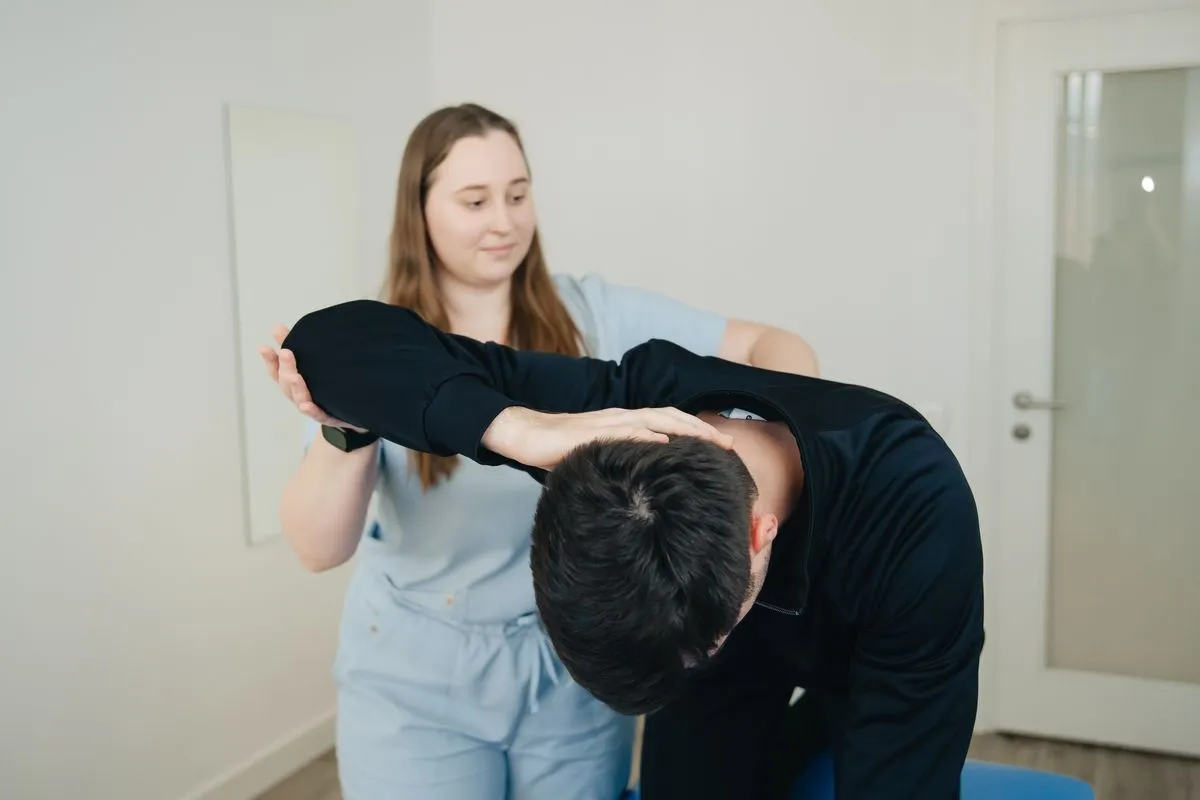
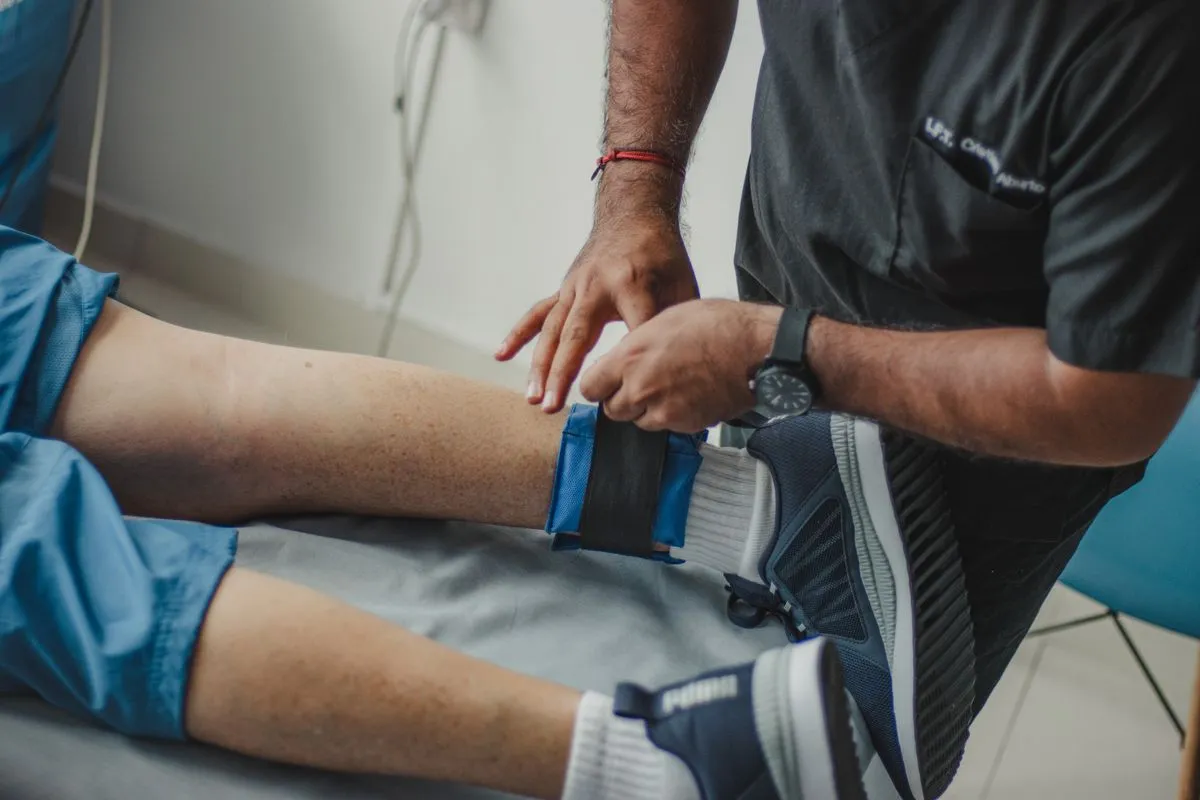
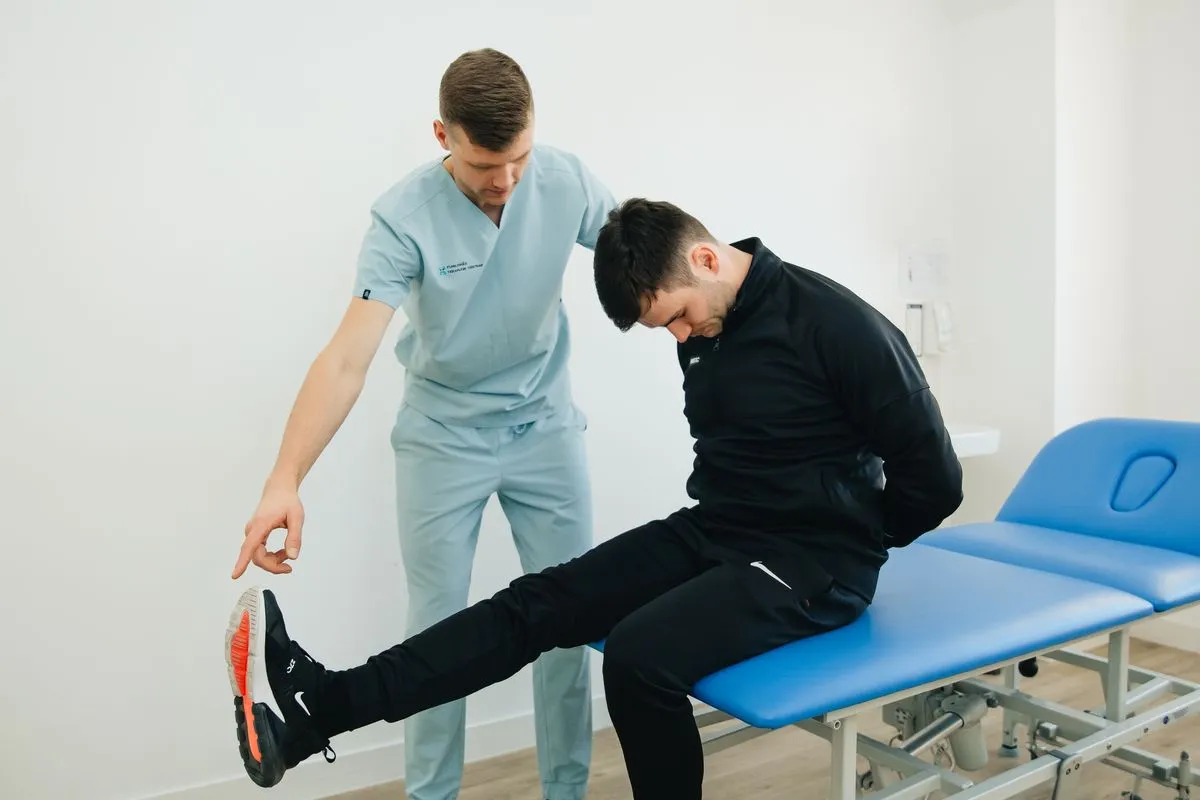
The early visits are about three things: swelling, movement and confidence. We use hands-on techniques and gentle exercise to get the joint moving within the limits of the repair, teach you how to manage swelling at home, and go through the everyday things that feel risky after surgery, such as stairs, getting in and out of a car, and sleeping positions. Knee replacements in particular live or die on getting full extension early, so that gets attention at every visit.
Getting strong again
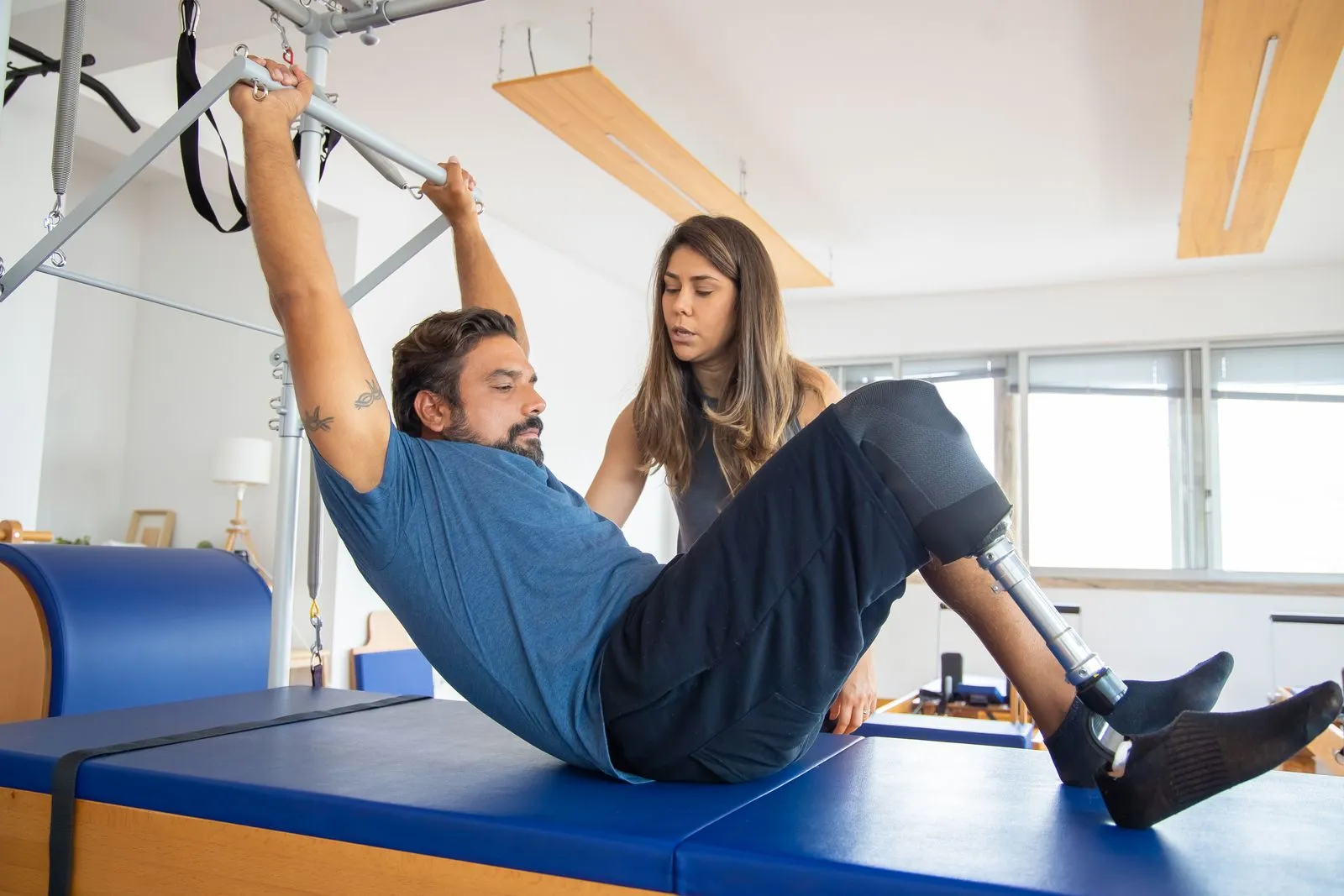
Once the repair is protected and the joint moves, the work shifts to strength. This is the part that separates a good result from an average one, and it is the part most people do not finish. We measure your strength against the other side every few weeks, progress the load on a schedule, and keep going until the numbers say you are done, not until the visits run out. For a knee replacement that usually means three to four months. For a rotator cuff repair, closer to six.
Insurance and visit limits
Post-surgical rehab is covered by nearly all plans and Medicare. Some plans cap the number of visits per year, and if yours does, we plan around it from the start with a heavier home program and sessions spaced further apart, rather than running out halfway through. We check your benefits before your first visit and tell you the cost per session.
Before surgery
If your surgery is scheduled, a visit or two beforehand helps. You leave with the early exercises already learned, the equipment you need at home, and a plan for the first week. Patients who do this consistently have an easier first fortnight.