Injuries we see most
Fort Collins is a town that skis, climbs, runs and plays. The injuries that come through our door follow the seasons: knee ligament tears and shoulder dislocations in winter, ankle sprains and hamstring strains in spring, overuse problems in summer and back into contact injuries with fall sports. We treat all of them, and the cases we see most are ACL and meniscus injuries, ankle sprains that never quite recovered, rotator cuff and labral problems in the shoulder, hamstring and groin strains, and tendon pain at the knee, Achilles and elbow.
Why early matters
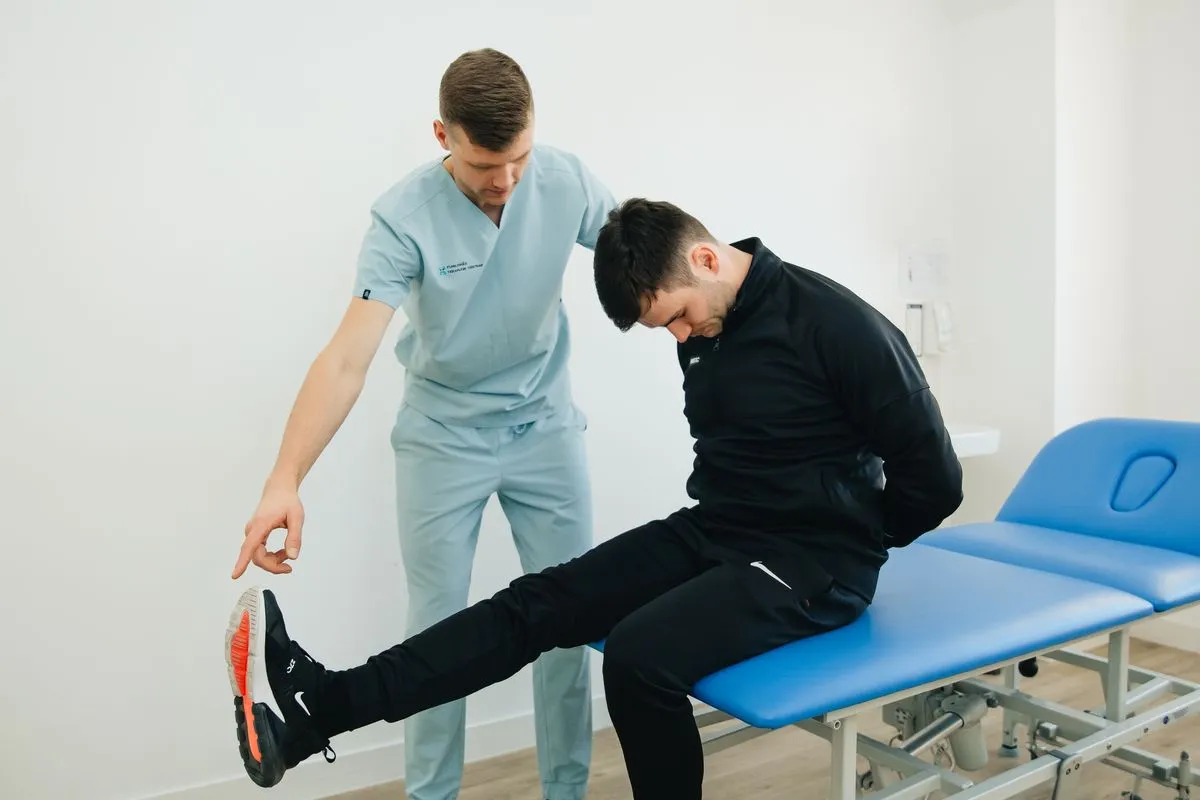
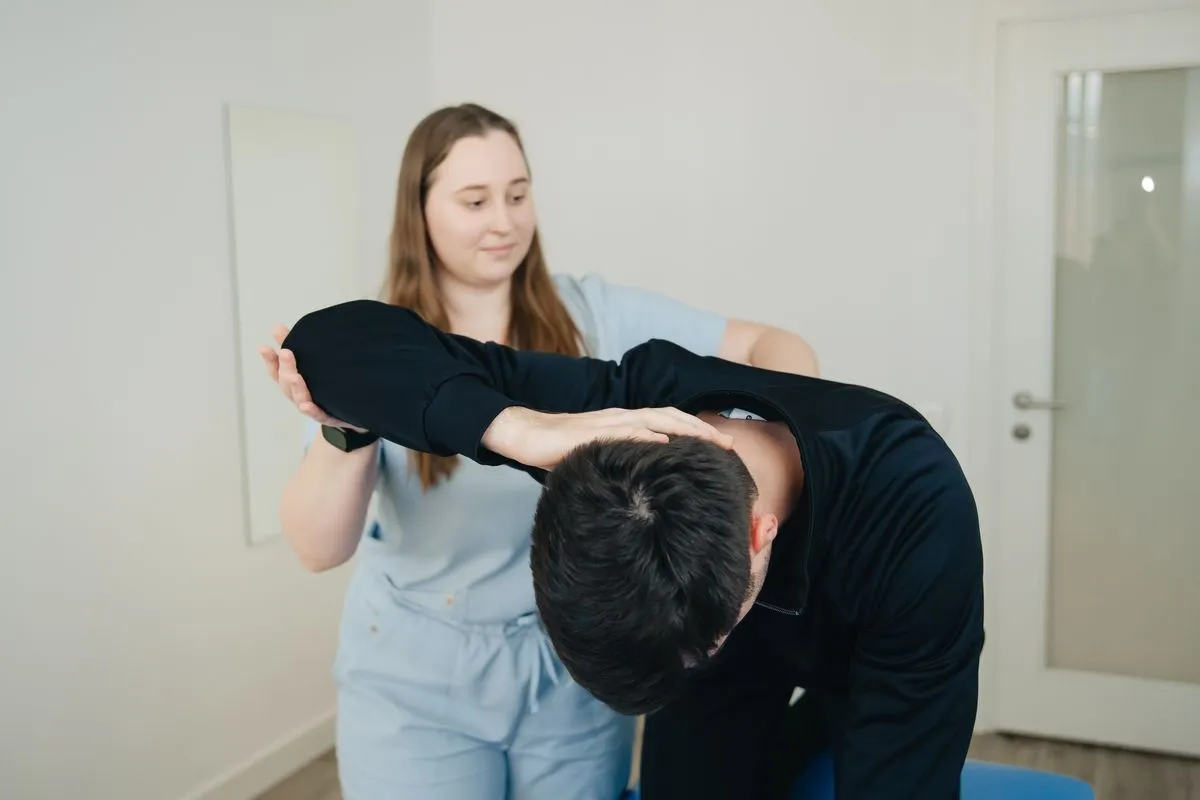
The first two weeks after an injury set the tone for everything after. Rest too completely and the joint stiffens and the muscle around it shuts down. Push too hard and the tissue that was healing tears again. The job in that window is to find the line between the two, and that is hard to do from a printed sheet. At your first visit we test what the injured tissue can tolerate, show you exactly what to load and what to protect, and give you a way to tell the difference at home.
You do not need an MRI to start. Most sports injuries can be diagnosed with a good history and a hands-on exam, and we send you for imaging when the result would change what we do.
How rehab is structured
Every plan runs through the same phases, and you move between them when you pass the tests, not after a set number of weeks.
- Settle. Reduce swelling and pain, restore normal movement, keep the rest of you training.
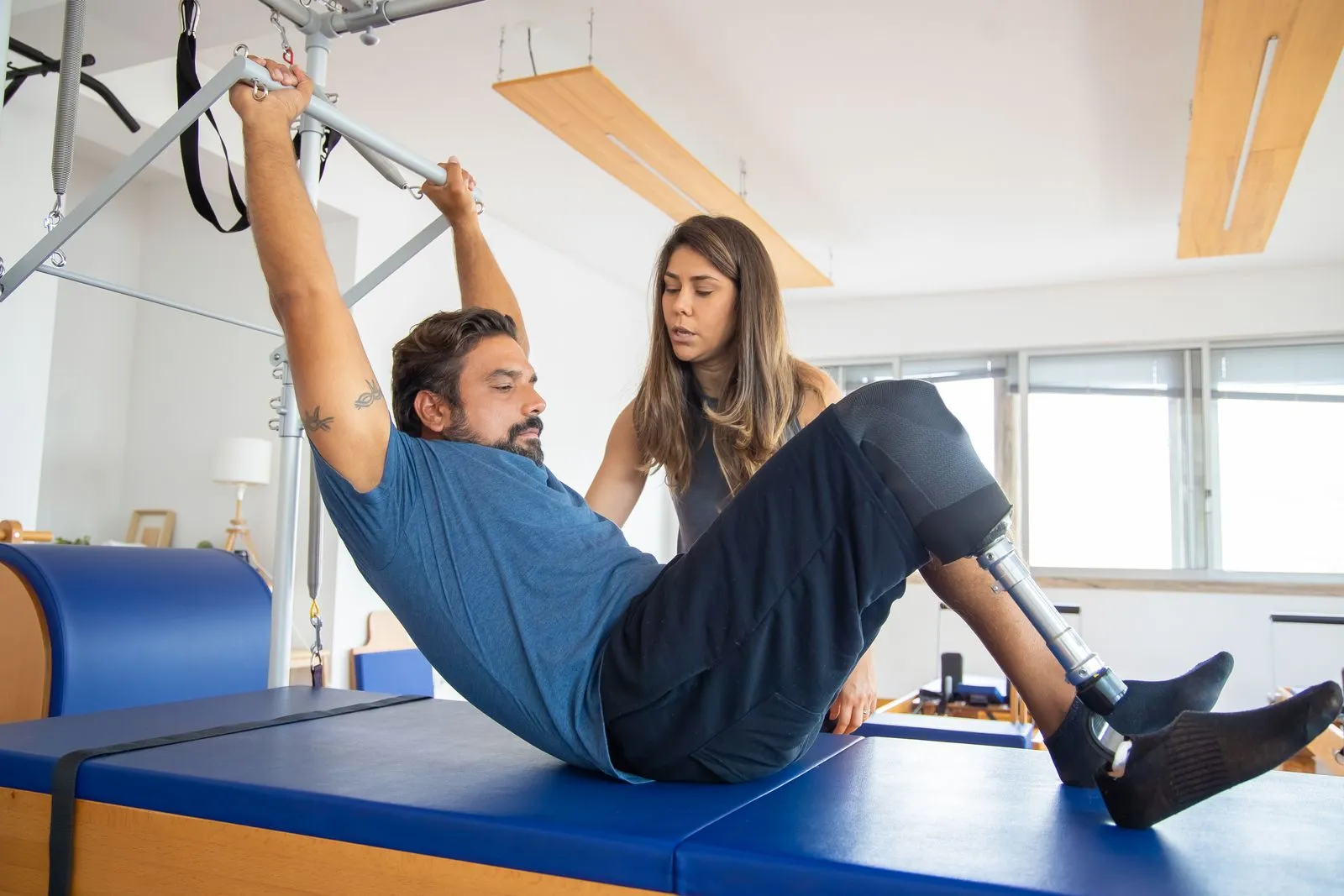
- Rebuild. Strength work that starts light and progresses on a schedule, measured against your other side every couple of weeks.
- Reload. Running, jumping, cutting and sport-specific movement introduced in stages, with the volume tracked.
- Return. Practice first, then competition, once you have passed the return-to-sport tests below.
Manual therapy and dry needling have a place in the first phase. After that, the work is exercise, done in our gym with a physical therapist watching.
Return-to-sport testing
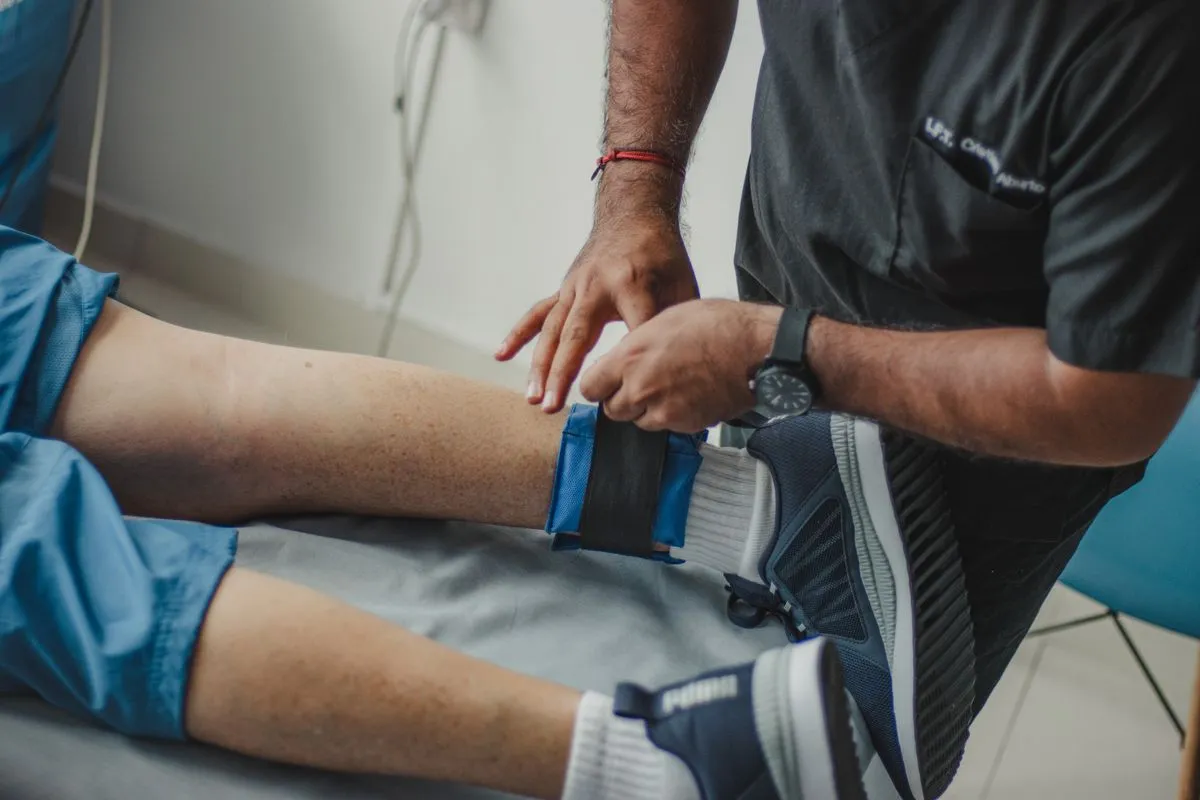
Going back too early is how one injury becomes two. Before we clear you, we measure the injured side against the uninjured side: strength on a handheld dynamometer, single-leg hop tests for the lower body, and movement quality on video. The usual bar is ninety percent symmetry or better, plus a pain-free run through your sport’s movements. You see the numbers at every retest, so the decision to return is one you understand rather than one you take on faith.
Knee reconstructions
If you are heading for ACL surgery, rehab starts before it. Two or three visits of prehab to get full extension and quad strength back make the first weeks after surgery noticeably easier. After surgery we follow your surgeon’s protocol, send them progress notes at each milestone, and take you through the full nine to twelve months to a tested return, which is where most clinics stop short.
Working athletes and weekend athletes
We treat college and high school athletes on a timeline, and we treat forty-year-olds who play pickup basketball on a timeline too. The process is the same. The only difference is that we ask what you actually want to get back to and build the end of the plan around that, whether it is a season or a Saturday.
Cost
Sports injury rehab is covered by most insurance plans as physical therapy, and we check your benefits before the first visit. For athletes whose plans limit visits, we can space sessions out with a heavier home program, or offer a self-pay rate for a full hour.